Posts

The History of the Oven
Image
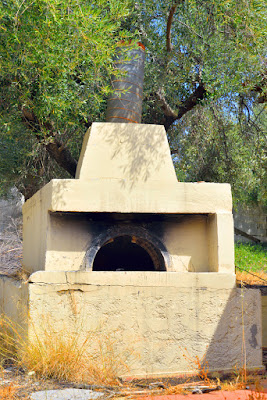
One piece of equipment crucial to pretty much any restaurant is the oven. Ovens have come a long way since ancient times. Before the first oven was invented, people had to cook over open fires. Today's ovens are energy efficient and temperature controlled. In today's blog, F ast Fix LLC is going to take you through the timeline of the evolution of the oven. The First Ovens The first oven recorded in history was invented in 1490. It was built in Alsace, France and was made entirely of brick and tile, including the flue. While there may have been others before this, the French oven is the first to be recorded. Simple ovens were used by the ancient Greeks for making bread and other baked goods. By the middle ages, taller brick and mortar hearths, often with chimneys were being built. Often times, the food to be cooked was hung over the flames in a large metal cauldron. Wood Burning Stoves After the first oven was created, inventors began working to make improvements t...

The Importance of Cleaning Your Commercial Exhaust Hoods

Image
As a restaurant owner, one of the most important things to the success of your business is keeping your restaurant clean and sanitary. One item in the commercial kitchen that often gets overlooked when cleaning is the exhaust hood. In addition to simply wanting a clean restaurant, cleaning the exhaust hoods is required by the National Fire Protection Agency. Insurance agents use their guidelines to determine liability should a fire occur. Keep reading to learn more about the importance of cleaning and maintaining your commercial exhaust hoods from Fast Fix LLC . Benefits of Exhaust Hood Maintenance   Commercial exhaust hoods are a vital part of ventilation in your restaurant. Aside from sure cleanliness, maintaining your commercial exhaust hoods has its benefits: Improved indoor air quality  Reduce dangerous particle emissions Decreases possibility of mold, mildew and bacteria growth  Reduce the risk of fire  Increased exhaust hood efficiency Stayin...

Trust Fast Fix for All Your Restaurant Equipment Maintenance Needs

Image
Why Choose Fast Fix?  When it comes to keeping your restaurant equipment in proper working condition, you want someone professional, reliable and experienced. You want Fast Fix LLC ! Our mission follows the "Golden Rule" of treating our customers the way we would want to be treated. Keep reading to learn more about why you can trust our Missouri restaurant equipment repair company for all your commercial equipment maintenance and repair needs.  Professional & Reliable  Our Missouri restaurant equipment repair technicians are factory-trained and certified. They are professional in work and appearance. We keep abreast of this ever changing profession by sending our techs to schools as new equipment and technology evolve. At Fast Fix LLC, we service and repair hundreds of brand names for restaurants across Missouri and Western Illinois. We are available 24/7 for any emergency service you may need, and we also provide warranty work for many manufacturers. On...

Energy Saving Tips for Your Restaurant

Image
One important aspect of running a restaurant is keeping expenses down. One of the biggest expenses you'll have is energy costs. Running all that food-service equipment takes a lot of energy. In today's blog, your Missouri restaurant equipment repair experts offer a few energy saving tips: Air Conditioning & Heating  Schedule regular tuneups for your HVAC by investing in Fast Fix LLC 's maintenance contract. Even Energy Start equipment needs to be maintained to keep it working efficiently. In addition, be sure to change the filters once a month, especially during peak heating or cooling seasons. A dirty filter will cause the equipment to overwork, resulting in more energy usage. During the summer, be sure to set the fan to auto rather than on; by setting it to on, you're causing the fan to run even once the room has reached your desired temperature. During the winter, lower your thermostat to reduce energy usage. For every degree above 68°F, you can expect a ...

Don't Get Caught Serving Foam this St. Pat's Day!

Image
Have you ever noticed how draught drinks always taste a little bit different everywhere you go? Not something we really want to think about when ordering a drink, but a lot of the reason is based on the maintenance of the tap system. How well-maintained or how often a tap system is maintained can have a major effect on the taste factor of the product. So what are some ways you can ensure your restaurant equipment in the Missouri and western Illinois area is producing the best quality draughts for your patrons? Fast Fix LLC has a list of things that you should be checking regularly to make sure your tap system is consistently at its best. Is Coldest Really Best? Roughly 90% of draught problems are temperature related. Typically kegs should be stored at a temperature ranging between 36-38℉. The lines should be insulated or refrigerated to maintain flow temperature. If the temperature is too warm, this could cause the flow to be too fast and cause excessive foam and a bad taste. I...

3 Differences Between Residential and Commercial Kitchens

Image
Restaurant kitchens operate quite differently than your kitchen at home. Restaurants produce mass amounts of food each day, and while you may have any army to feed at home, you likely don't need everything you'd find in a commercial kitchen. In today's blog, Fast Fix LLC discusses a few differences between your kitchen at home and the commercial kitchen at your favorite restaurant down the street. 1. Kitchen Layout One major difference between residential and commercial kitchens is that commercial kitchens are designed with functionality and workflow in mind. Often times a commercial kitchen staff will consist of several people working together to push out a large amount of orders in a little amount of time. In order for this team effort to be effective, the flow of the layout has to allow for efficient task completion. Residential kitchens do not require such functionality since generally you're not cooking for hundreds of people at home.  2. Appliances ...

Preventing Electrical Hazards in a Commercial Kitchen

Image
Kitchen safety is a top concern in the food service industry. With a variety of different appliances and equipment, there's a lot of electricity running through a restaurant. Water spills and grease will only increase the risk of electrical hazards. In today's blog, Fast Fix LLC focuses on the electrical hazards associated with a commercial kitchen. Electricity & Water Both electricity and water are typically involved in food preparation. When working in a commercial kitchen, it's important that you don't touch anything electrical with wet hands. Keep a towel nearby when working in the kitchen to prevent water on your skin from coming in contact with anything that could potentially shock you. Be sure to keep any countertop appliances away from the sink and unplugged when not in use. Grounding & Overloaded Circuits  Don't use extension cords on a permanent basis. Temporary use of extension cords will work if no other option is available; however,...